Source Waterproof Fireproof XPS Backer Board for Roofing, Walls, and Insulation
Compare 10 verified listings for waterproof fireproof xps backer board suitable for roofing, wall insulation, and prefabricated housing. Buyers can evaluate thickness, density, and fire ratings to find the right material for construction projects; compare the available evidence and request quotations based on your requirements.
Key considerations
Products List


Comprehensive Sourcing Guide
Waterproof Fireproof XPS Backer Board Sourcing Guide
Procuring waterproof fireproof XPS backer boards requires a disciplined approach to material verification and supplier alignment. These panels serve as critical substrates for tiling and exterior cladding, offering a stable base that resists moisture ingress while maintaining structural integrity. Buyers must distinguish between generic insulation products and specialized backer boards designed for high-stress applications. The core value lies in the combination of extruded polystyrene’s water resistance with added fire-retardant properties, ensuring safety without compromising the lightweight nature of the material.
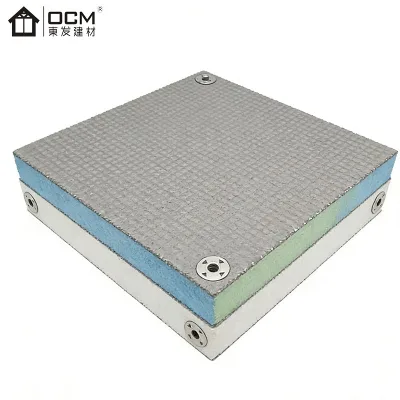
Successful sourcing begins with defining the exact performance envelope required for your project. Observed market listings indicate a wide range of thicknesses, from 8mm to 100mm, and various standard dimensions like 2440mm by 1220mm. It is essential to confirm whether the product is a pure XPS panel or a composite system involving polymer mortar and fiberglass mesh. This distinction affects installation methods, load-bearing capacity, and compatibility with adhesives. Clear specification definitions prevent costly mismatches between the ordered material and the structural demands of the final build.
Product Scope and Observed Listing Signals
The current market for these boards displays significant variation in physical attributes and packaging standards. Listings frequently highlight features such as light weight, fireproofing, and sound insulation, which are critical for modern construction efficiency. Buyers should note that observed thickness ranges span from 10mm to 50mm in some contexts, while others extend up to 100mm. This variance suggests that suppliers offer customizable solutions rather than a single standardized product. Understanding these signals helps in filtering suppliers who can meet specific dimensional tolerances required for your architectural plans.
Packaging and origin details also provide insight into the supplier’s operational scale and logistics capability. Many products originate from regions like Hunan or Anhui in China, with full container load packing being a common method for bulk shipments. Some listings specify plastic film bags or carton packaging, which impacts protection during transit. Additionally, apparent density ranges from 28kg/m³ to 60kg/m³, indicating differences in material compactness and strength. These observations help buyers assess the quality tier of the product and estimate shipping costs based on weight and volume constraints.
Technical Specifications to Verify
Verifying technical specifications is paramount to ensuring the backer board performs as expected under real-world conditions. Key parameters include compressive strength, which can range from 300kpa to 1200kpa depending on the density and composition. Buyers must confirm the fire rating, with some products claiming B1 or Level 1 fire resistance, which is crucial for compliance in residential and commercial buildings. The operating temperature range, typically from -50°C to 75°C, ensures stability in diverse climates. These metrics directly influence the board’s suitability for roofing, flooring, or wall insulation applications.
Dimensional accuracy and moisture resistance are equally critical technical factors. The moisture deformation percentage should be minimal, ideally ≤0.07%, to prevent warping or delamination after installation. Standard sizes like 2440mm by 1220mm are common, but customizable widths and diameters are often available for specialized projects. Buyers should also verify the material composition, whether it is pure polystyrene or a composite with polymer mortar and fiberglass mesh. This composition affects the board’s ability to anchor tiles securely and resist impact. Clear verification of these specs prevents structural failures and ensures long-term durability.
Compliance and Safety Documentation
Compliance with safety standards is non-negotiable when sourcing fireproof building materials. Buyers must request documentation that verifies fire ratings, such as B1 classification, which indicates limited flammability. While some listings mention ISO certification, it is essential to confirm the specific standard and its relevance to fire safety and material quality. ASTM E84 is a recognized standard for surface burning characteristics, and buyers should inquire if the product meets these requirements. Without proper certification, the material may not pass building inspections, leading to project delays or legal liabilities.
Safety documentation also includes data on environmental impact and chemical stability. Buyers should ask for material safety data sheets (MSDS) to understand any volatile organic compound (VOC) emissions. Although some products are marketed as environmental, specific certifications should be verified rather than assumed. The presence of fiberglass mesh and polymer mortar may introduce additional safety considerations during handling and installation. Ensuring that all safety claims are backed by third-party test reports protects the buyer from liability and ensures the health and safety of construction workers and end-users.
Cost Drivers and Commercial Terms
Costs for waterproof fireproof XPS backer boards are influenced by material density, thickness, and customization levels. Observed price ranges vary significantly, reflecting differences in quality and supplier scale. Minimum order quantities (MOQs) typically range from 50 to 500 units, which impacts inventory management and cash flow. Buyers should negotiate terms that align with their project timeline, considering lead times and shipping methods. Full container load packing may offer better unit economics for large projects, while smaller orders might incur higher per-unit costs due to packaging and handling fees.
Commercial terms also include payment structures and after-sales support. Buyers should clarify warranty policies and return procedures for defective materials. Some suppliers offer customized solutions, which may involve additional engineering fees or longer lead times. It is important to understand the total landed cost, including duties, taxes, and freight. Transparent pricing helps in accurate budgeting and prevents unexpected expenses. Establishing clear commercial terms early in the sourcing process ensures a smooth transaction and fosters a reliable supplier relationship.
Supplier Qualification and Quality Control
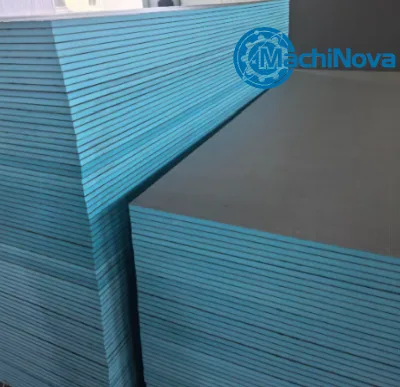
Qualifying suppliers requires a thorough assessment of their manufacturing capabilities and quality control processes. Buyers should verify the supplier’s production capacity, with some listing productivity rates of up to 15,000 square meters. This indicates the ability to handle large orders without compromising quality. Requesting factory audits or third-party inspections can provide insights into their adherence to standards and consistency in production. Suppliers with established brand names, such as MachiNova, may offer more reliable quality assurance, but this should be verified through independent channels.
Quality control measures should include routine testing of compressive strength, fire resistance, and dimensional stability. Buyers should ask for sample batches to test in their own facilities before committing to large orders. Consistency in packaging and labeling is also a sign of a mature supplier. Suppliers who provide detailed product specifications and responsive customer service are more likely to deliver reliable products. Establishing a strong quality control protocol helps mitigate risks and ensures that the materials meet the project’s rigorous standards.
Long-Term Procurement Checks
Long-term procurement success depends on continuous monitoring of supplier performance and market trends. Buyers should track delivery times, defect rates, and responsiveness to issues. Regular reviews of supplier certifications ensure they remain compliant with evolving safety and environmental standards. Building a relationship with multiple suppliers can provide flexibility and reduce dependency on a single source. This strategy helps in negotiating better terms and securing supply during market fluctuations.
Additionally, staying informed about technological advancements in XPS backer boards can provide a competitive edge. New formulations may offer improved fire resistance or lower environmental impact. Buyers should engage with suppliers to discuss potential upgrades or custom solutions for future projects. Regular communication ensures that the procurement strategy aligns with the company’s evolving needs. By maintaining a proactive approach to supplier management, buyers can secure high-quality materials and support their projects’ long-term success.
FAQs
What are the core advantages of this waterproof fireproof xps backer board?
The core advantages include being lightweight and high-strength, which simplifies handling and installation. It also features fireproof and sound-insulated properties, ensuring safety and acoustic comfort. The material is designed for durability, offering a reliable solution for various construction applications where strength and weight are critical factors.
Can the waterproof fireproof xps backer board be customized for specific projects?
Yes, customization is available for this product. Buyers can request specific sizes, colors (such as blue or yellow), and thicknesses ranging from 5mm to 100mm. The product standard can also be adjusted per customer requirements, allowing for tailored solutions that meet unique project specifications and design preferences.
What is the typical thickness range for the waterproof fireproof xps backer board?
The thickness range varies by product model, generally spanning from 8mm to 50mm, with some options extending up to 100mm. Standard models often feature dimensions like 2440mm by 1220mm. This flexibility allows buyers to select the appropriate thickness for specific insulation, roofing, or wall applications effectively.
How does the waterproof fireproof xps backer board perform in terms of fire resistance?
The board exhibits strong fire resistance, with a fire rating of 1 and a B1 fire resistance level. It is explicitly described as fireproof, making it suitable for environments requiring strict safety standards. This performance ensures that the material contributes to overall building safety and compliance with fire codes.
What are the packaging options for the waterproof fireproof xps backer board?
Packaging options include full container load packing, plastic film bags, and cartons. These methods ensure the boards are protected during transit and storage. The choice of packaging depends on the order volume and specific logistical requirements, providing flexibility for different shipping and handling needs across various supply chains.
Where is the waterproof fireproof xps backer board typically manufactured?
The product originates from China, with specific production locations noted in Hunan and Anhui provinces. This geographic sourcing indicates a established manufacturing base in the region. Buyers can expect consistent production capabilities and supply chain reliability from these established industrial areas within China.